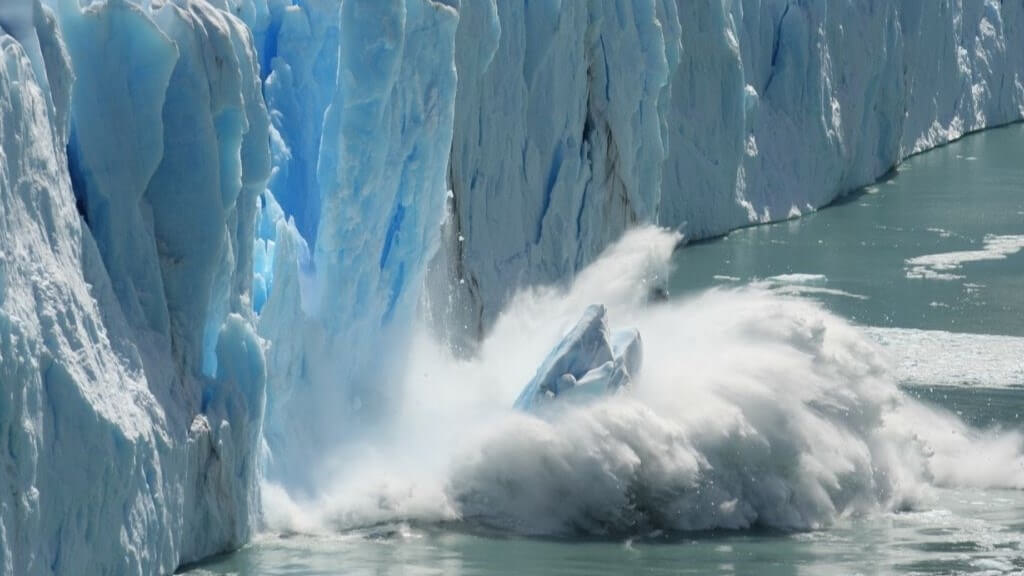
Following a climate meeting held in South Korea, the Global warming of 1.5 °C, i.e. the Special Report of the IPCC (the Intergovernmental Panel on Climate Change), was recently published, which highlights that we are heading towards a worrying rise in the climate and that we will reach the threshold of +1.5 °C around 2030.
The figure is certainly alarming, despite the risk of reaching +2 °C seems to have been averted; a maximum threshold beyond which, the consequences for the environment and for entire populations would be truly disastrous.
What would the rise in the earth’s temperature of 2 °C entail?
As reported in an interesting article published on the Focus website, “At +1.5 °C, the world population exposed to rising seas would be 50% lower than in the worst of the two scenarios. If it were to reach +2 °C, sea level would rise by 10 cm by 2100, but remaining at +1.5 °C would result in 10 million fewer people facing this threat in island and coastal areas.
Food scarcity would affect millions fewer people: insects, vital for pollination, would be twice as threatened, with half a degree more global warming. The acidity of the seas would increase, decreeing the loss of 3 million tons of fish with a rise of +2 °C, a collapse twice as worse than that projected at +1.5 °C.
At +2 °C, extremely hot days such as those experienced this summer in the northern hemisphere would increase, as would fires; Rice, corn and wheat crops would be more difficult and less nutritious.”
Already on the occasion of the Parsi agreements, the importance of limiting the increase in the average global temperature of the planet so as not to exceed 2 degrees Celsius compared to pre-industrial levels was underlined.
The role of waste
As reported by internazionale.it “The problem of waste globally, it may not be as terrifying a challenge as global warming, but it may be easier to solve. This is because local waste collection and recycling actions have an immediate effect on the territory and can therefore trigger a virtuous circle of change.
People are more likely to take the initiative if they can see the results of a change in habits almost immediately. All the more so if we consider that reducing waste production has not one, but two benefits. Not only does it solve a big problem (solid waste) but, unlike the fight against smog, it creates a tangible benefit in the form of recycled materials that can be used again”.