Plastic
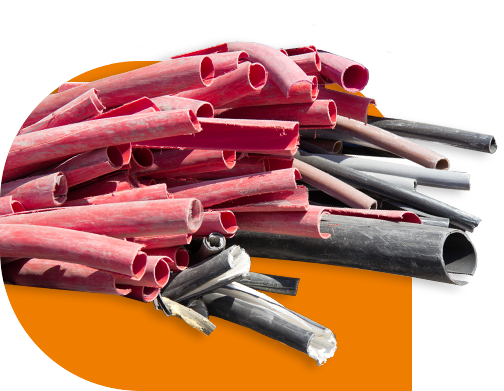
Managing plastic waste
Plastic waste represents one of the largest fractions of the waste produced, due to the extensive use of plastic in packaging, containers, wrappers and many materials, including, but not limited to, polystyrene. However, not all plastics are the same: the term plastic includes a wide range of polymers with different chemical-physical characteristics, which require specific treatments at the end of their life cycle.
When it comes to special waste, management becomes even more delicate and regulated, and must take place in compliance with stringent regulations, such as the European Waste Directive and the protocols of the Ministry of the Environment and Energy Security (MASE).
Definition and classification of plastic waste
Plastic waste includes all those plastic materials that, once their function is exhausted, are discarded, because they are no longer useful. These can include: plastic bags and films, bottles and containers, packaging materials, industrial components, technical and much more.
The main types of plastic include Polyethylene (PE), Polypropylene (PP), Polyethylene terephthalate (PET), and more. These materials are generally recyclable, but there are also more complex plastics such as: PVC (vinyl chloride), PS (polystyrene), LDPE (low-density polyethylene), which require specialized treatments. Polymers are divided into two main categories:
- thermoplastic resins: they are characterized by weak bonds, soften with heat and can be reshaped, therefore, they are easily recyclable;
- thermosetting resins: they are characterized by strong bonds, harden irreversibly with heat and are more difficult to recycle.
Not all plastics can be handled with standard methods. Special plastic waste includes: materials contaminated by chemicals or oils, mixed or complex polymers (e.g. toys, technical components), plastics from industrial or healthcare sectors. This waste is regulated by specific regulations and must be treated in authorized plants, with particular attention to environmental safety. The management of plastic waste requires an integrated strategy that involves: separate collection, sorting by type, mechanical or chemical treatment, recycling and reintroduction into the production cycle.
Treatment and recycling plants use advanced technologies to transform waste into new resources, contributing to the reduction of environmental impact and the promotion of a circular economy model.
Need to manage your plastic waste? Valli Gestioni Ambientali offers you: technical and regulatory advice, collection and transport with authorized vehicles, treatment and disposal in certified plants, customized solutions for companies and individuals. Contact us to find out more.