Used Oil
Waste oil: definition and applicable legislation
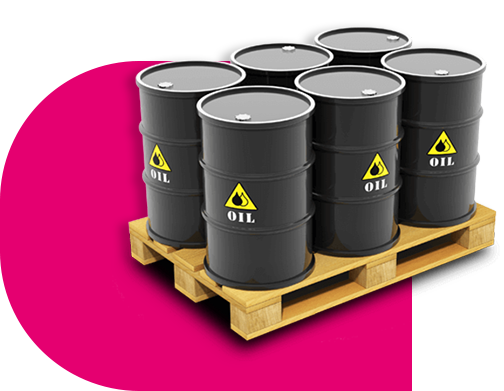
Waste oils are a category of special waste that requires specific management to avoid serious consequences for human health and the environment. In particular, this waste contains residual substances from various sources, both industrial and domestic, which, once used, lose their functional properties and become highly polluting, especially if dispersed in the soil or in water bodies. Among the most common types we find:
- used industrial oils: derived from industrial processes and include hydraulic oils, machinery lubricants and other technical fluids used for the transmission of force or pressure;
- used engine oils: residues from the lubrication of motor vehicle engines and industrial machinery;
- cooking oil residues: used for cooking food, such as those used for frying.
Used oil, if not properly managed, can contaminate soil and groundwater, causing long-lasting environmental damage. The polluting potential varies according to the type of used oil, affecting the methods of storage and recovery or disposal.
Regulatory framework on the management of waste oil
In Italy, the management of waste oil is regulated by a complex regulatory framework, including:
- Legislative Decree 152/2006 as amended.: general regulations on environmental matters, which establish the criteria for environmental risk assessment, waste management and procedures for safe recovery and disposal;
- REACH Regulation (EC No. 1907/2006 as amended): European regulation imposing specific obligations for the registration, evaluation, authorization and restriction of chemicals;
UNI technical standards: UNI standards establish technical standards and guidelines for the management of used oil, in accordance with Italian and European legislation.
Recovery and proper disposal of used oil
To properly dispose of used oils, it is necessary to follow a series of well-defined steps:
- storage: use oil-resistant containers and correctly label the containers according to current legislation;
- disposal: separate used oils from other waste to avoid contamination and rely exclusively on authorized companies for collection and transport;
- Final treatment: used oils can be regenerated to obtain new base oils, energetically recovered through controlled combustion, converted into useful products such as: vegetable lubricants for agricultural use, biodiesel for transport, glycerine for soaps, base oils for industrial use.
Any mixture between used oils and other waste, as well as dispersion or contamination with different substances, is prohibited.
Valli Gestioni Ambientali's services for the collection and management of used oil
Valli Gestioni Ambientali, a company specialising in the treatment and recovery of waste, deals with the collection and storage of used oil, ensuring its correct delivery to authorised plants for recycling, regeneration, energy recovery or, only in some cases, thermal destruction.
Do you have used oils to dispose of or recover? Contact us, indicating the characteristics of the waste in your possession. We will offer you the solution that best suits your needs, ensuring regulatory compliance, environmental safety and operational efficiency.