WEEE
WEEE: what it is and what is the reference legislation
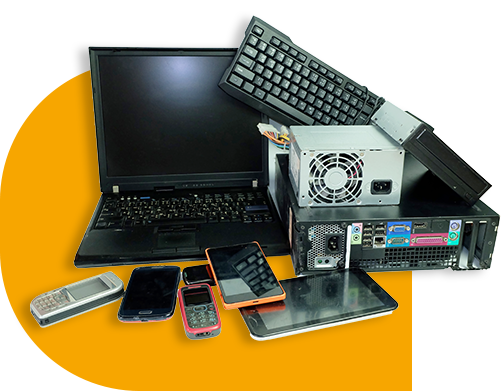
WEEE (Waste from Electronic and Electrical Equipment) is all those devices that, in order to function, depend on electricity or energy sources such as batteries and batteries, and which are decommissioned because they are no longer working, obsolete or unused.
The technical definition of WEEE is proposed in art. 4 letter e) of Legislative Decree 49/2014 as amended, which reads: “electrical or electronic equipment that is waste pursuant to Article 183, paragraph 1, letter a) of Legislative Decree no. 152 of 3 April 2006, including all components, subassemblies and consumables that are an integral part of the product at the time when the holder discards, intends or is obliged to discard it.
WEEE can be recognized by the presence of the symbol of the crossed-out bin and is divided into two categories: domestic and professional.
Classification of WEEE
Household WEEE
The legislation divides household electronic waste into five groups, based on the type and treatment required:
- R1 grouping – equipment for the exchange of temperature with fluids (refrigerators, air conditioners and water heaters, other)
- R2 grouping – other large whites (washing machines, dishwashers, ovens, hobs, other)
- R3 grouping – TVs & Monitors (TVs & Flat Screens, TVs & CRT Screens, Tablets, Digital Frames, Other)
- R4 grouping – IT and consumer electronics, lighting equipment, ped and other (small household appliances, electronic or digital appliances, lighting equipment, photovoltaic panels, other)
- R5 grouping – light sources (discharge lamps, fluorescent lamps, neon tubes, led bulbs, other)
Professional WEEE
Valli Gestioni Ambientali is specialized in the management of professional WEEE, offering complete services of: collection at the customer’s premises, transport with authorized vehicles, storage and treatment in certified plants. The main categories include:
- category 1: temperature exchange equipment;
- category 2: Screens and monitors;
- category 4: large equipment;
- category 5: small equipment;
- category 6: Small computer and telecommunications equipment.
Some examples can be: computers, servers, printers, electrical panels, monitors, electro-medical equipment, photovoltaic panels, and much more.
WEEE treatment, recovery and disposal
WEEE may contain substances that are hazardous to the environment, such as: heavy metals (lead, mercury, cadmium, other), brominated flame retardants, halogenated and ozone-depleting substances. Their treatment takes place at authorized centers, where they are: disassembled and separated by type of material, treated for the recovery of glass, iron, copper, aluminum, plastic, recycled up to 90% of the total weight.
With the increasing spread of photovoltaic systems, the management of end-of-life modules has also become a central issue in the electronic waste supply chain. Discarded photovoltaic panels, in fact, fall into the category of WEEE and must be treated according to specific environmental regulations: once they reach the end of their life cycle (on average 25-30 years), they become complex electronic waste containing: glass, silicon and semiconductors, metals (copper, aluminum, silver), plastics and polymers, potentially hazardous substances, such as cadmium (in some technologies). Improper handling can lead to environmental risks and penalties, while proper treatment allows for the recovery of valuable materials and the reduction of ecological impact.
The services of Valli Gestioni Ambientali
Do you need to dispose of domestic or professional WEEE, including discarded photovoltaic panels? Valli Gestioni Ambientali offers a complete, safe service that complies with current regulations, which includes: collection at the waste production site, transport by authorized means, storage and treatment, assistance in the management of WEEE documentation.
Contact us or fill out the form with your details: one of our consultants will contact you to provide you with personalized assistance, guide you in document management, and receive a quote.