Recovery and disposal of liquid and solid sludge
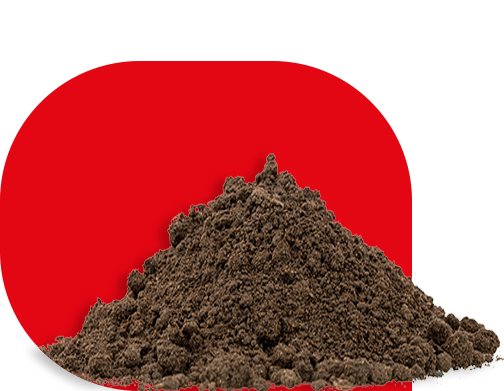
The management, recovery and disposal of liquid and solid sludge deriving from wastewater purification are regulated by a complex regulatory framework, aimed at ensuring environmental protection and health safety, and require continuous adaptation to the progress of scientific knowledge and regulatory updates.
The sludge is classified as special waste pursuant to Article 184 of Legislative Decree 152/2006 as amended and must be subjected to specific treatments before any form of recovery or disposal. A fundamental regulatory reference is Legislative Decree no. 99 of 27 January 1992, as amended, which has implemented the European Directive 86/278/EEC and regulates the use of sewage sludge in agriculture. The decree establishes criteria to avoid harmful effects on soil, vegetation, animals and human health, while promoting the controlled reuse of sludge.
What is sewage sludge?
Sludge is the solid, semi-solid or liquid residues generated by urban, domestic or industrial wastewater treatment processes that take place in purification plants. They contain organic and inorganic substances, including heavy metals, which make the original waters unsuitable for use. Pursuant to art. 184, paragraph 3, letter g) of Legislative Decree 152/2006, sewage sludge is special waste and, as such, cannot be discharged into water bodies or dispersed in the environment. The following must be treated to be made suitable for recovery or disposal:
“3. It is special waste
[…] g) waste deriving from the recovery and management and disposal of waste, sludge produced by drinking water and other water treatments and wastewater purification, as well as waste from fume abatement, septic tanks and sewerage networks […]”.
Management, treatment, recovery and disposal of liquid and solid sludge
The sludge destined for recovery or disposal is subjected to biological, chemical and thermal treatments that improve its characteristics, preventing the onset of hygienic-sanitary problems deriving from its use. In particular, the main treatments are divided into:
- processes for separating the liquid fraction from the solid fraction, such as thickening, dehydration and thermal drying;
- conversion processes, including stabilisation, conditioning, incineration, pyrolysis and disinfection.
Sewage sludge subjected to treatment is sent for recovery or final disposal in particular areas, including, but not limited to:
- recovered in agriculture, according to the criteria of Legislative Decree 99/1992;
- recovered or disposed of in authorized plants, in compliance with environmental regulations.
The service of Valli Gestioni Ambientali
The collection, transport and management of sludge must be carried out with suitable mechanical means, avoiding any dispersion during transfer and ensuring the safety of operators and the environment. Such operations may only be carried out by specialized companies that have the required authorizations by law.
Valli Gestioni Ambientali, registered in the National Register of Environmental Managers (in Italian, Albo Nazionale Gestori Ambientali), deals with the collection and recovery and disposal of liquid and solid sludge, coming, for example, from purification treatments, galvanic processes, metal processing, etc.
Thanks to the collaboration with WRC World Resources Company GmbH, a company based in Germany, Valli Gestioni Ambientali collects, throughout Italy, sludge, liquid and solid waste, decaying mainly from galvanic treatments and metal processing, to send it to treatment processes that guarantee complete recovery for recycling purposes. The aim is to promote the recovery of sludge whenever its use is technically appropriate, thus contributing to the reduction of disposal and the promotion of the circular economy.
Do you need to manage sewage sludge or other industrial waste?
Contact us, Valli Gestioni Ambientali is at your side with tailor-made solutions, in full compliance with current regulations.