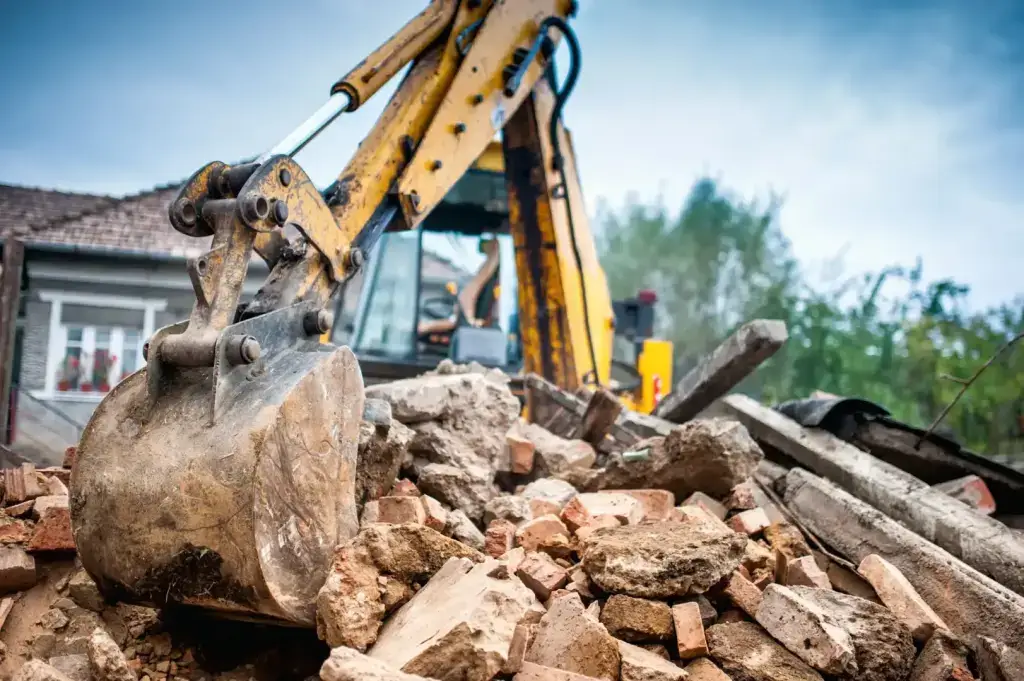
The correct management of construction demolition waste is governed by an articulated regulatory framework, which integrates European and national provisions with the aim of promoting the recovery of building materials, reducing environmental impacts and ensuring the traceability of operations carried out on construction sites. Demolition waste represents one of the most important categories in the waste management landscape in Italy and requires adequate organizational and technical procedures.
Legislative Decree 152/2006 as amended, known as the Consolidated Environmental Act, imposes precise and stringent obligations on companies to ensure compliant management, from the correct classification to the separation of materials, up to the delivery to authorized plants. The adoption of structured procedures is not only a regulatory requirement but also represents an opportunity to contribute to the sustainability of the construction sector, promoting the reuse of resources and the reduction of the use of disposal.
Regulatory framework: Legislative Decree 152/2006 and European directives
Demolition waste falls into the category of special waste pursuant to Article 184 of Legislative Decree 152/2006. The legislation provides:
- obligation of EER classification according to the European List of Waste;
- management in accordance with the principles of the European waste hierarchy: prevention, preparation for reuse, recycling, recovery and disposal;
- traceability;
- exclusive transfer to authorized plants.
Recent European policies on the circular economy strengthen the obligation to increase the recovery rate of construction waste, setting minimum recycling targets for construction and demolition materials.
Classification and operational management on construction sites
The management of waste produced on construction sites must comply with specific requirements:
- EER classification based on the nature of the material (aggregates, metals, wood, plastics, gypsum, mixed materials);
- separation at the source of the different fractions;
- correct completion of the Waste Identification Form (FIR) for each transport;
- entrusting transport and treatment operations to subjects registered in the National Register of Environmental Managers.
Recovery of building materials: technical and regulatory requirements
The recovery of building materials can take place through mechanical phases, such as, but not limited to:
- crushing;
- screening/particle size selection;
- separation of metal, wood and plastic fractions by mechanical and manual selection.
The recovered material can be used as End of Waste only if it complies with the criteria provided for by the UNI standards and the applicable End of Waste decrees.
Sustainable disposal: when recovery is not possible
When recovery is not technically or economically feasible, the waste must be sent to facilities authorised for disposal. A sustainable disposal model includes:
- minimization of landfills;
- reduction of emissions and energy consumption in the transport and treatment phases;
- Safe management of fractions containing hazardous substances.
Compliance with environmental regulations guarantees the protection of the soil, water and the surrounding ecosystem.
The commitment of Valli Gestioni Ambientali
Valli Gestioni Ambientali ensures a compliant and technically advanced management of demolition waste, offering:
- solutions for the recovery and enhancement of recyclable fractions;
- transport and delivery to authorized plants;
- consultancy for the management of special waste on construction sites;
- processes oriented towards sustainability and the reduction of environmental impact.
Thanks to an integrated approach that is fully compliant with Legislative Decree 152/2006 as amended, the company supports companies and operators in the efficient and responsible management of demolition waste.