
Oily Emulsions
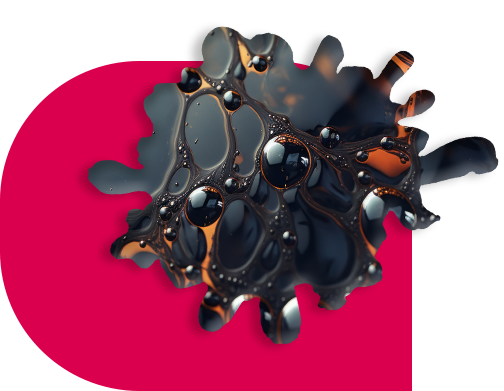
Oily emulsions are widely used in numerous industrial sectors: from pharmaceuticals to cosmetics, from the production of detergents, detergents and paints, to the mechanical industry, where they are used as lubricants or coolants in metalworking processes.
These are mixtures of oil and water or other liquids, which, thanks to the action of emulsifying agents, temporarily combine in the form of dispersion. In these mixtures, one of the fluids disperses in micro-droplets inside the others, forming a more or less stable system. In the mechanical industry, for example, oily emulsions, such as lubricants, are essential to reduce friction and dissipate heat during processing. However, with prolonged use, these emulsions lose their technical properties and need to be replaced.
What are the requirements for the correct management of oily emulsions?
Used oil emulsions fall into the category of special waste and are subject to the regulations for waste oils. By law, they must be stored separately, avoiding mixing with other waste and any dispersion or contamination is prohibited. The management of oily emulsions, therefore, must be entrusted to authorized operators, registered in the National Register of Environmental Managers (in Italian, Albo Nazionale Gestori Ambientali).
Treatment of oily emulsions
Valli Gestioni Ambientali deals with the storage and delivery of oily emulsions to specialized plants, capable of treating different types of emulsions, through advanced technologies. In recent decades, in fact, a highly professional supply chain has developed for the treatment of oily emulsions, with plants that use physical treatments (separation, filtration), heat treatments (heating, evaporation), chemical treatments (alkaline, acidic, polymeric) and other innovative technologies (pyrolysis, electrolysis, natural or synthetic additives). One of the most common processes involves: the separation of the components by heating, the evaporation of the aqueous fraction subsequently subjected to purification, the recovery of the oily concentrate, destined for regeneration or disposal.
The main critical issue in the treatment of oily emulsions lies in the variability of their composition and the need to separate and manage solid particulates, which require a separate treatment from the liquid component.
The service of Valli Gestioni Ambientali
Thanks to its experience, Valli Gestioni Ambientali collects oily emulsions, and operates in compliance with current environmental and health regulations.
Do you have oily emulsions to dispose of? Fill out the contact form, specifying the characteristics of the waste in your possession. We will offer you the solution that best suits your needs, ensuring regulatory compliance, environmental safety and optimization of management costs.