The proper management and disposal of industrial waste represents a fundamental challenge for companies and territories, particularly in Lombardy where environmental regulations are among the strictest. An adequate waste collection, transport and treatment system, in compliance with the rules on ADR transport, is essential to protect the environment and ensure safety at work. In this guide we will delve into current regulations, non-hazardous waste treatment and recycling techniques and the best solutions for sustainable management.
What is industrial waste disposal and why is it important
Industrial waste is waste materials produced by production activities that can be both hazardous and non-hazardous. Their proper management is essential to prevent environmental damage and public health risks. Companies are obliged to comply with current regulations, which define methods of collection, transport, treatment and disposal, assuming precise responsibilities for each phase of the process.
Waste disposal legislation: national and regional legislative framework
The management of industrial waste is regulated by national regulations, such as Legislative Decree 152/2006, and by specific regional regulations, in Lombardy in particular. The transport of hazardous waste must take place in accordance with the provisions of the ADR Agreement, which defines the safety procedures for road transport. Disposal and treatment facilities must be licensed and comply with strict criteria to ensure proper operation.
Collection and transport of industrial waste: focus on ADR transport
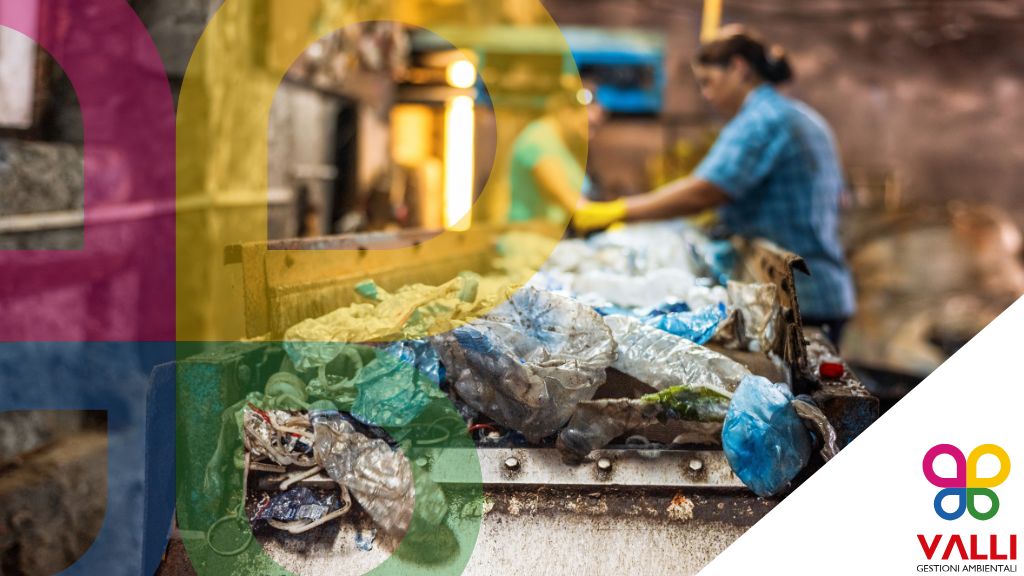
The collection of industrial waste involves proper separation and storage in special containers, according to the characteristics of the materials. ADR transport is mandatory for hazardous waste and requires suitable vehicles, trained personnel and specific documentation. Waste traceability is a key aspect of ensuring safety and compliance with environmental regulations.
Solutions for the treatment and recycling of non-hazardous waste
Non-hazardous waste can be subjected to various treatments, including biological, chemical and physical processes, aimed at reducing environmental impact and promoting recycling. Recycling makes it possible to reintroduce materials into the production cycle, reducing the amount of waste to be disposed of and enhancing resources. Innovative treatment solutions are both an environmental and economic advantage for companies.
How to choose a partner for industrial waste disposal
Choosing a reliable industrial waste management company is crucial to ensuring regulatory compliance and effective operations. It is important to check the authorizations, the experience in the sector and the ability to offer integrated services, from collection to transport, up to treatment and final disposal. Relying on professionals like BG Valli Ambiente means having complete and personalized support.
Conclusions
Industrial waste disposal is a complex process that requires specific skills, advanced technologies and strict compliance with environmental regulations. BG Valli Ambiente is the ideal partner for companies that want to manage their waste in a safe, efficient and sustainable way, in full compliance with current regulations, with particular attention to ADR transport and recycling.
Contact us today for personalized advice on the management and disposal of industrial waste!
FAQ
- What is meant by industrial waste and what are the main categories?
Industrial waste is waste materials from production and industrial activities. They are divided into hazardous waste, which has characteristics of toxicity or flammability, and non-hazardous, which does not pose an immediate risk to the environment or health. - What are the main regulations on waste disposal in Lombardy?
In Lombardy, the disposal of industrial waste is regulated by Legislative Decree 152/2006 and by specific regional regulations. The law establishes permitting criteria for installations, transport requirements and traceability obligations, in particular for hazardous waste subject to ADR regulations. - How does ADR transport work for hazardous waste?
ADR transport involves the use of vehicles that comply with safety standards, trained personnel and detailed documentation. It is mandatory for hazardous waste and ensures safety during road transport, reducing the risks of accidents and environmental contamination. - What are the most effective techniques for recycling non-hazardous industrial waste?
Techniques include biological, chemical, and physical treatment, such as composting, stabilization, and mechanical separation. Recycling promotes the recovery of useful materials, reduces the volume of waste to be disposed of and promotes the circular economy. - How to choose a reliable company for industrial waste disposal?
It is essential to verify that the company has the necessary authorizations, has proven experience, offers comprehensive services and complies with current regulations. A reliable partner ensures safety, efficiency and transparency throughout the entire disposal process.